
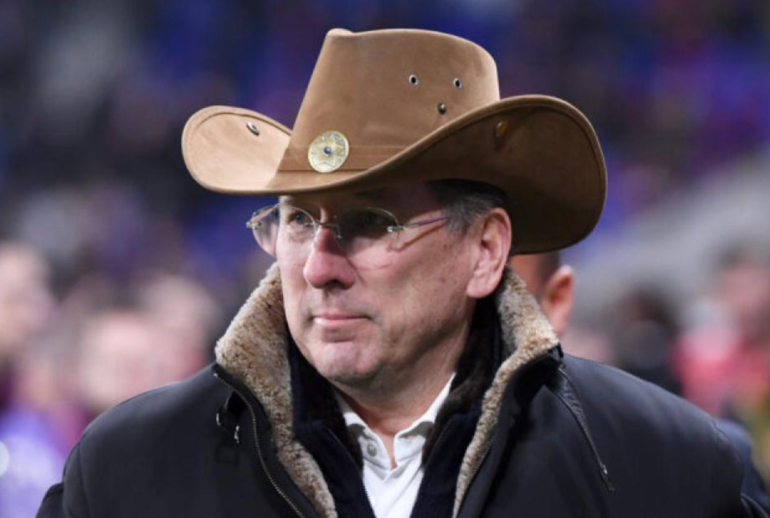
The chaotic implosion of John Textor’s Eagle Football Group is a warning sign of the growing dangers of the sport’s infiltration by the shadowy world of private credit.
By Paul Brown
This article is the first of two devoted by Josimar to the impact of private credit on football clubs. It will be followed by a case study of Chelsea FC, written by football finance expert Paul Quinn, which will be published tomorrow.
Eagle Football Group has disintegrated into a mess of warring shareholders and recriminations, dragged down by the weight of its huge debt pile. As a result, the future of Olympique Lyonnais, Botafogo and RWDM Brussels (RWDM) has been plunged into doubt, but the group’s funding model has wider implications for football as a whole.
All three clubs must now wrestle with the reality that the group’s founder, U.S. businessman John Textor, no longer controls their destiny. Instead, they are at the mercy of the investors who backed him, and the various courts around the world in which they are fighting him.
How did this happen, and why should football take note? In a two-part series, Josimar examines these issues.
Trophy assets
Back in the days when the Glazer family bought Manchester United and Stan Kroenke acquired Arsenal, football clubs were the ultimate trophy assets of billionaires looking for bragging rights on the golf course.
Fans sometimes protested against such acquisitions, which were often funded in part by banks or hedge funds and ...