
Enough footballers were killed by the Iranian Islamist regime in the space of forty-eight hours in January to make up two full teams. Fifa’s response? Silence.
Editorial note: Josimarfootball commissioned this piece before the United States and Israel launched their attack on Iran. After due consideration, Josimarfootball decided to go ahead with the publication to illustrate the terrible price paid by football players who protested and fought the brutal regime of the Islamic Republic in the name of freedom and democracy.
By Zohreh Abdollahkhani
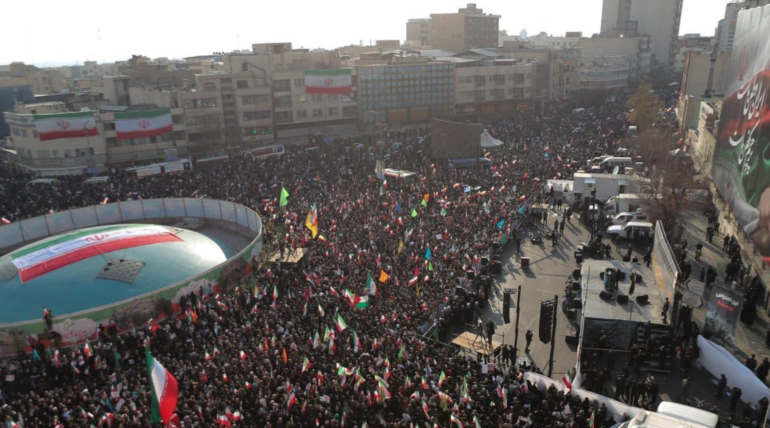
January 2026 was steeped in blood in Iran. A month earlier, a wave of demonstrations had swept across the country, initially triggered by record high inflation – 45% , spiralling food prices and the sharp depreciation of the riyal after it lost three quarters of its value against the US dollar in a single year. The unrest drew on decades of public dissatisfaction with the governance of the Islamic Republic, and soon turned into an overt revolt against the regime of supreme leader Ali Khamenei.
The authorities responded with a brutal crackdown. A nationwide internet blackout was imposed on 8 January, making it almost near-impossible to verify information coming out of Iran. What is known is that, immediately after the blackout, security forces launched a coordinated crackdown on mass protests in almost all major Iranian cities, which was unprecedented in its scale and its savagery.
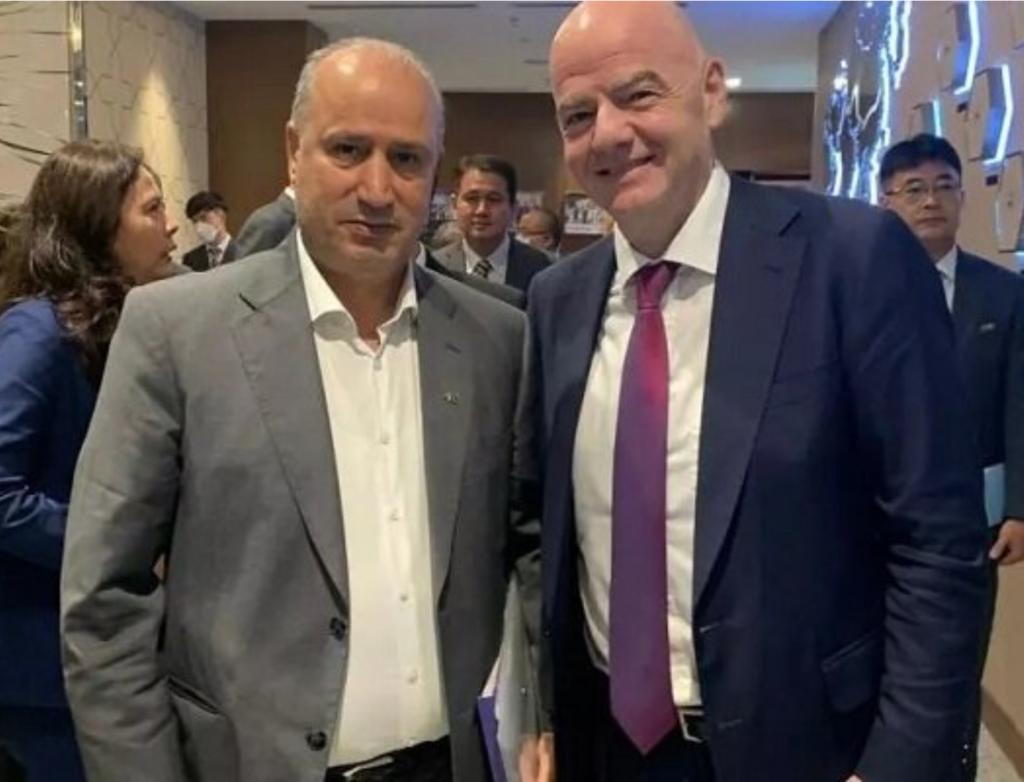
Fifa president Gianni Infantino with president Iranian Football Federation Mehdi Taj, whom he congratulated after his re-election in March 2025.
On 16 January 2026, the UN Special Rapporteur on Iran, Mai Sato, said in a media interview that, according to information she had received from medical sources, at least 5,000 people had been killed. It was an underestimate. Human rights organisations have reported that tens of thousands of people were shot in streets, residential areas, and near hospitals as protests intensified. Amnesty International later confirmed that mass unlawful killings occurred under cover of the information blackout.
Civil society groups described scenes that felt painfully familiar to many ordinary Iranians; but the brutality of the crackdown was unprecedented. It became the deadliest period for Iran’s sports community in this century. Football paid a particularly heavy price; football, which has long held a central place in Iran, whose men’s national team, three-time Asian champions, qualified for its eighth World Cup last year; a country where the government, like many authoritarian regimes, is wary of the political potential of mass gatherings.
In the span of just a week, more than twenty football players were reportedly shot and killed in the streets of cities across the country, enough to make up two complete teams.
Among those footballing victims was Amir Mohammad Kouhkan, a 26-year-old futsal coach and referee, reportedly killed on 3 January 2026 in Neyriz in the Fars Province. His death was one of the first to be confirmed. The slaughter had only begun.
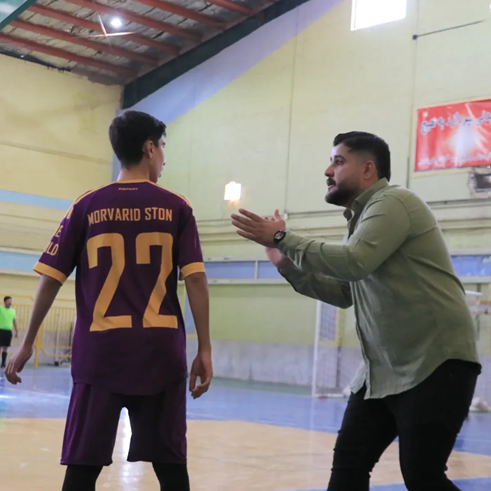
26-year-old futsal coach Amir Mohammad Kouhkan (r.), killed on 3 January 2026.
The massacre – 8 January
That day, Mojtaba Tarshiz, a former player of Tractor F.C in the Iran Pro League, the country’s top division, joined protests in Tehran. He and his wife were cornered in a dead-end alley by security forces. According to reports, Tarshiz shielded his wife when officers opened fire and was struck by more than one hundred shotgun pellets, suffering fatal injuries to his lungs and heart. He died in her arms.
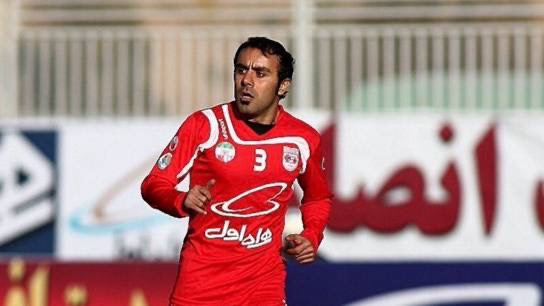
Mojtaba Tarshiz
Reports from that same night also documented the killing of Rebin Moradi, a talented youth player for Saipa F.C. According to these accounts, the 17-year-old student had separated from his family to join the protests when security forces shot him in the back. He was struck by a bullet that passed through his chest. Collaborative news website IranWire reported that security forces told the family on January 23 that they would only release the body if Rebin’s father agreed to speak on state television to say that his son had been killed by “rioters.” The following day, on January 24, IRIB2 and IRINN, state broadcasters, aired a televised interview in which his father, crying, said that his son had been shot at close range.
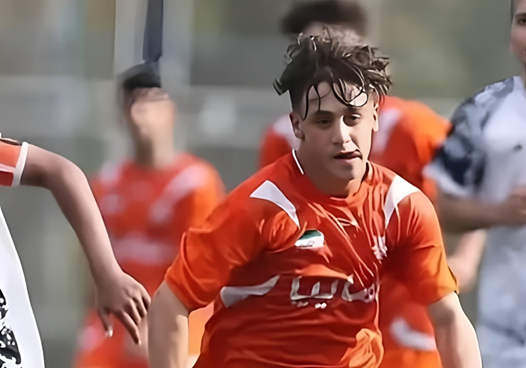
Robin Moradi
Reports from that fateful 8 January also noted the death of 18-year-old Amirhossein Mohammadzadeh, who played for Delvar Afraz in Tehran and was shot during the protests. According to London-based satellite television channel and digital news operation Iran International], his family was told that his body would be released for burial only if they agreed to describe him as a supporter of the regime rather than a protester.
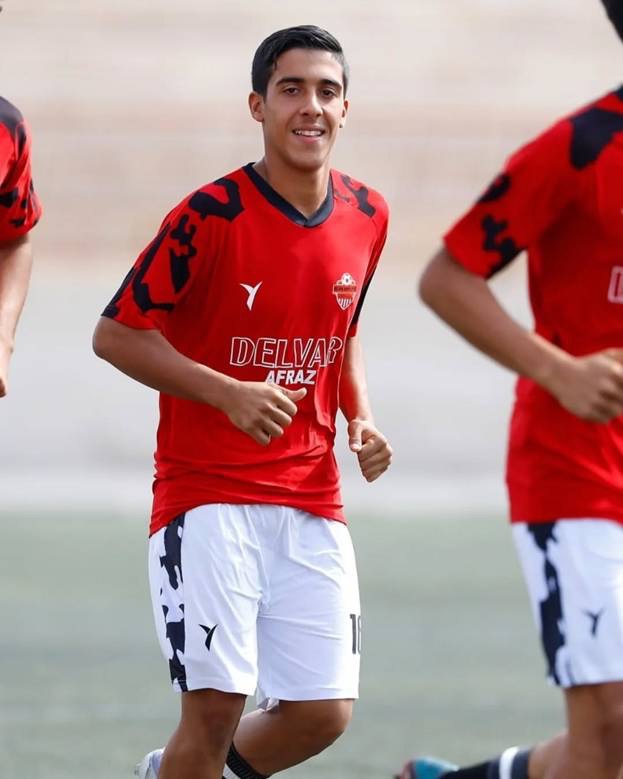
Amirhossein Mohammadzadeh
Hamid Reza Hadadi Shandiz, 19-year-old from Mashhad in Khorasan Province and a player of Payam Toos F.C., was killed by live-ammunition gunshot wounds to his abdomen. He died at Taleghani Hospital in Mashhad.
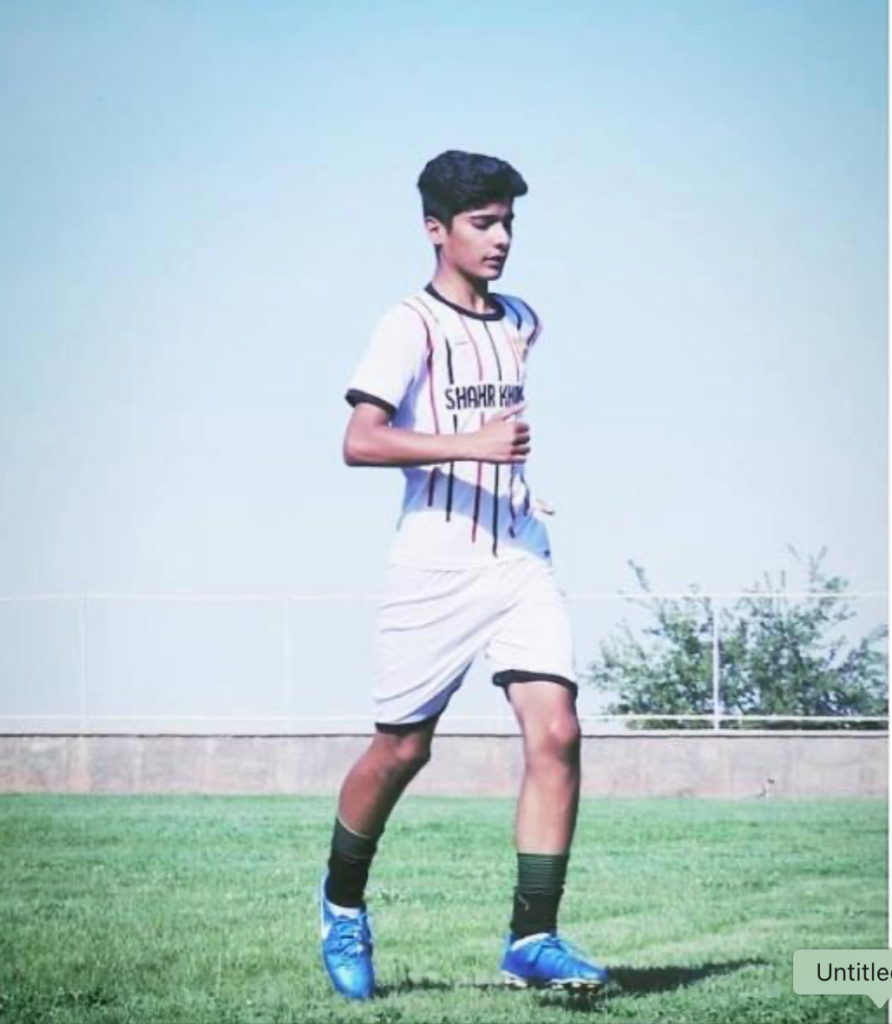
Hamid Reza Hadadi Shandiz
Arvin Salami-Zad, 16-year-old from Bushehr and a player at JAM Bushehr F.C, was shot and wounded by direct fire on Ashouri Street. He was taken to the Persian Gulf Hospital with 18 pellets in his head and remained in a coma until he died on 23 January. He was buried on 26 January at Tangak Cemetery with only a few close family members in attendance, as Islamic Republic forces did not allow others to attend. After the burial, groups gathered outside his home performing traditional mourning drums for him.
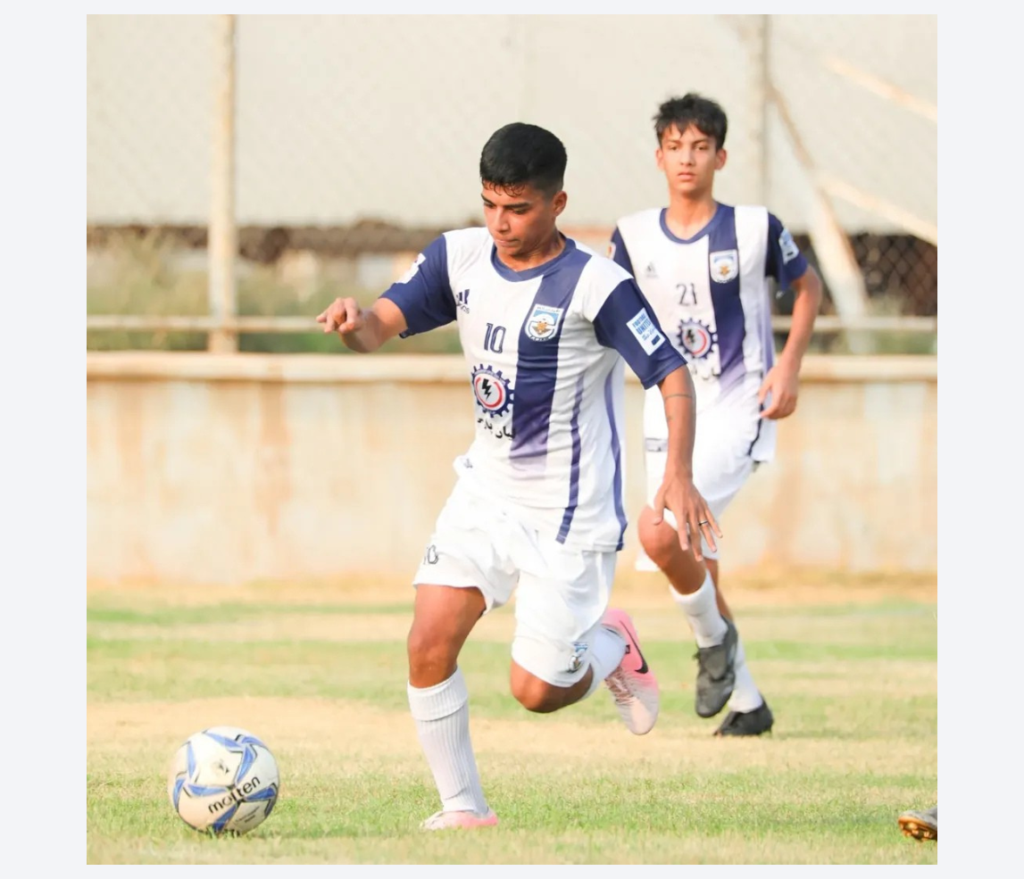
Arvin Salemi Zad
In Tehran, 20-year-old Mobin Ghanbari, was reportedly shot and killed by Islamic Republic security forces during the unrest in the western part of the city. Ghanbari played for Paykan F C., who play in the Persian Gulf Pro League, the top division in Iran.
Iran International reported that his family later received his body in a black plastic bag from the Kahrizak Forensic Medical Center in southern Tehran, which had become severely overcrowded as large numbers of bodies from the crackdown were brought there. Videos showed corpses stacked in warehouses. Families searching for missing relatives were described as having to walk among rows of bodies in order to locate their loved ones.
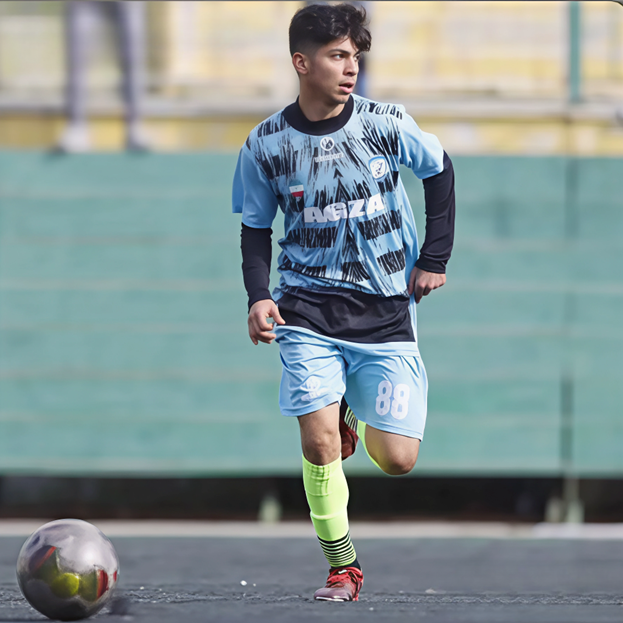
Mobin Ghanbari
That same night, it was reported that 18‑year‑old Nader Molavi, who played for Hami F. C., a professional club based in Mashhad, had been killed in Shahr‑e Rey Square in Tehran. According to Iran International, security forces also prevented a memorial gathering from taking place. A mosque had been selected for the ceremony, but authorities pressured his family and blocked the event.
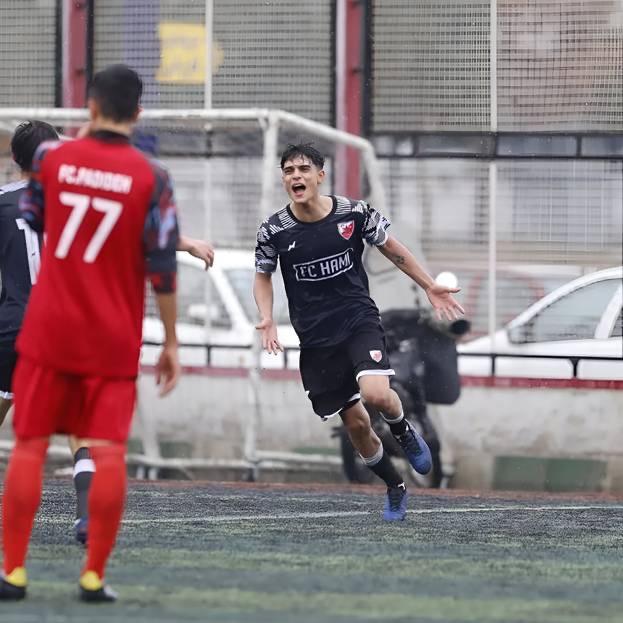
Nader Molavi
Reports from the same night also mentioned the killing of Mehdi Lavasani, a 35-year-old football coach and football talent development specialist in Tehran. The father of a two-year-old son, he was shot dead during the protests. He was widely recognised within Iranian football as a leading figure in youth development, known for guiding players through the early stages of their careers. Lavasani was also respected for his charitable work and his commitment to supporting children in under-resourced communities through football.
Mehdi Lavasani
In the city of Rasht, in the northern province of Gilan, Milad Afrookhteh, a 33-year-old goalkeeper and youth coach, joined the protests on 8 January and was struck by two bullets fired by forces of the Islamic Republic. Security forces then pressured his family to carry out a night burial without the presence of friends or relatives. The burial took place under the supervision of security personnel and without any possibility for mourning ceremonies.
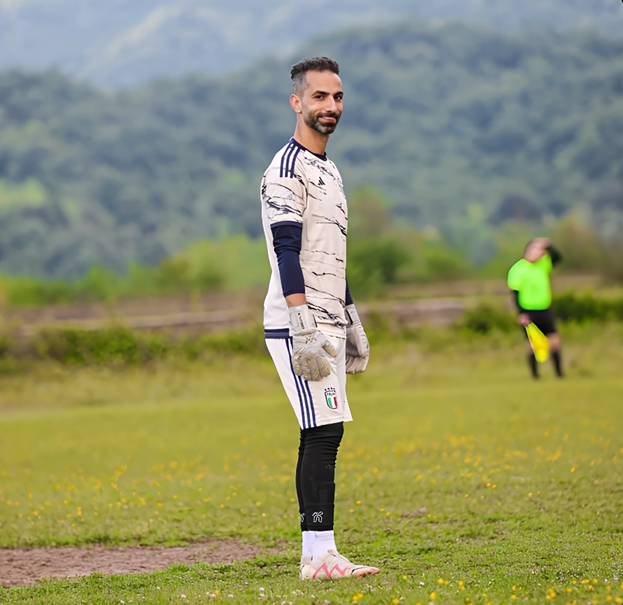
Milad Afrookhteh
That very night in Isfahan Province, central Iran, 19-year-old footballer Ali Ayazi of top division Sepahan F.C. was struck by gunfire from security forces. He was taken to medical facilities, but the first hospital refused to admit him. At the second hospital, he was left waiting for hours despite his critical condition. His severe bleeding continued and he lost his life due to the lack of timely medical treatment. His body was then held by security forces for ten days and its release was made conditional on the family paying a large sum of money, signing a pledge not to publicise his name, and agreeing to forgo any funeral or memorial ceremony. His burial occurred under strict supervision and with significant restrictions imposed on his family.
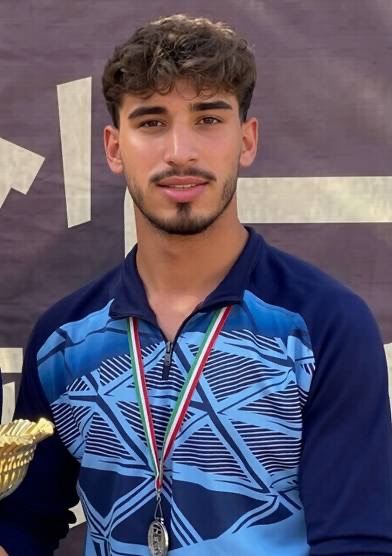
Ali Ayazi
In Varamin County, southeast of Tehran, Amir Yektaei Yeganeh, a 16-year-old footballer of Arzesh Varamin FC, was killed during protests in Qarchak after being shot with live ammunition, one of at least 200 schoolchildren who lost their lives in the crackdown.
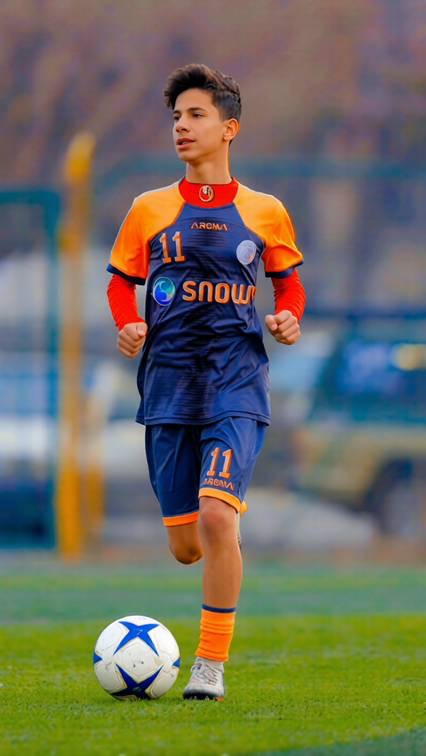
Amir Yektaei Yeganeh
In Rasht City in Gilan Province, 26-year-old goalkeeper Reza Monji Azad, the father of an infant daughter, was shot near Sabzeh Meydan. A report by the Tavaana E-Learning Institute for Iranian Civil Society indicates that the bullet struck him below the knee. Although this type of injury is ordinarily non-lethal with timely medical care, witnesses stated that he was forcibly taken from the hospital by security forces while still connected to an IV line and bleeding. His body was found the following day inside a shipping container at Bagh e Rezvan cemetery in Rasht. Significant traces of blood were found there, suggesting that he had died from blood loss after being denied treatment.
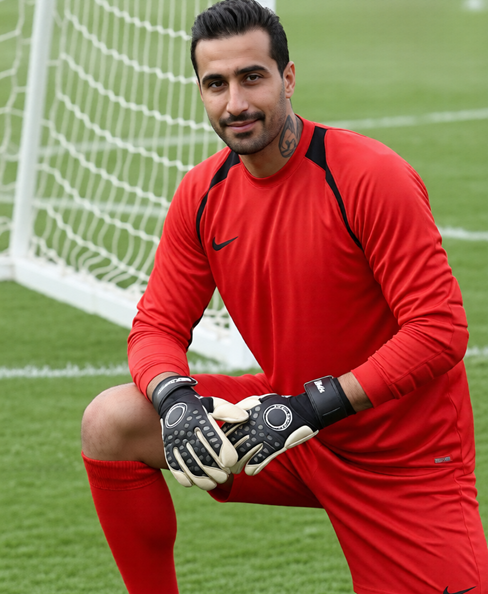
Reza Monji Azad
9 January
Despite the heavy crackdown on January 8, reports indicate that millions of protesters returned to the streets on January 9. According to reports, tens of thousands of people were killed or arrested that night, including individuals connected to the football community.
In Alborz Province,27-year-old Zahra Azadpour, of second division Mehrgan Pardic Women F.C., was shot and killed by gunfire while protesting in the city of Karaj. She had previously played for Azarakhsh and Saba teams and been invited to national team training camps.
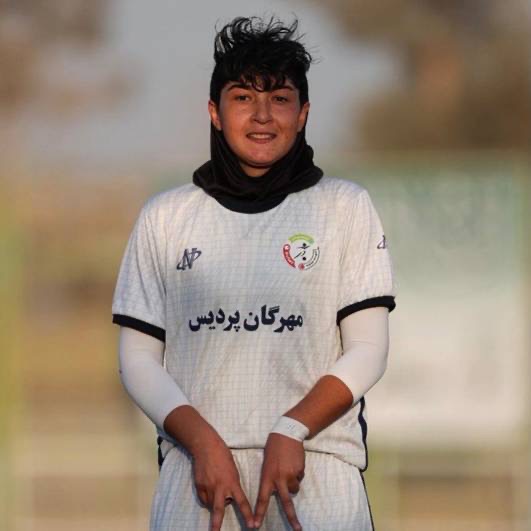
Zahra Azadpour
On the same night, Sahba Rashtian, a 23-year-old assistant referee in the women’s football league from Isfahan Province, was shot in her side by security forces. Her body was returned to her family on Thursday 15 January and buried the same day. Rashtian officiated in women’s football competitions in Isfahan and participated in talent identification programs for the national youth team.
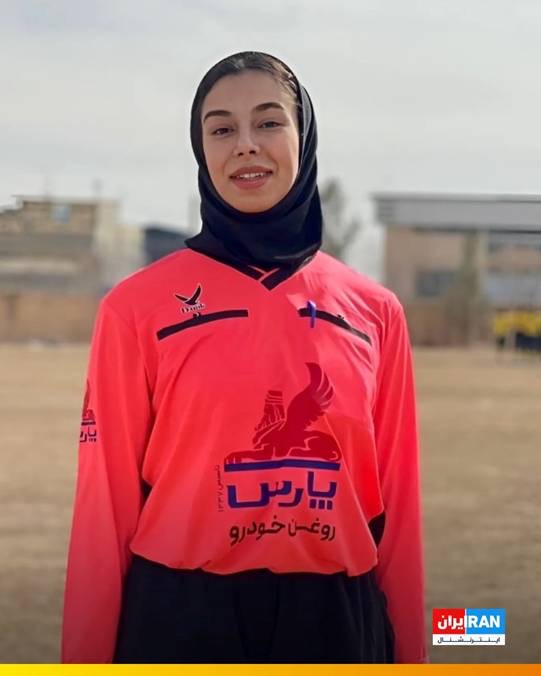
Sahba Rashtian
Also on 9 January, 23-year-old Mohammad Mehdi Mardani, known as “Mahan”, a Masters student at Shahroud University of Technology and a goalkeeper in football and futsal who won titles at university and provincial levels, returned to his home in Shahre Qods after nationwide dormitory closures and immediately joined the protests.
Despite witnessing severe violence the previous night, he again took part in demonstrations on January 9 and told his family he was ready to risk his life for a free country. According to a family source, security forces chased protesters into residential areas and Mahan was shot twice with live ammunition as he reached the door of his home, in front of his mother and younger sister. He was taken to Fayazbakhsh Hospital Number 2, where staff informed the family he had died from heavy bleeding. His body was withheld overnight, transferred to Shahre Qods on January 11 and buried on January 13 after the family signed a commitment to avoid public mourning and paid a large sum for a burial permit.
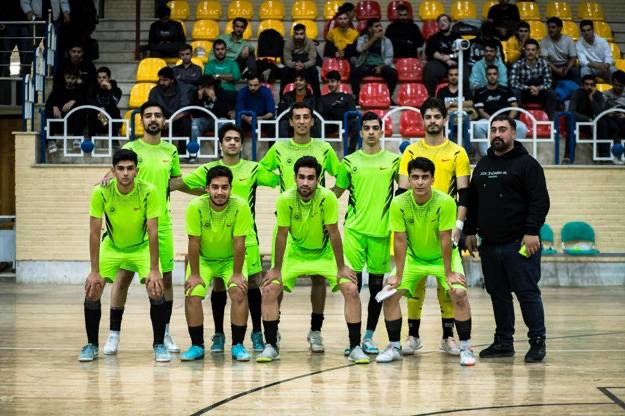
Mahan Mardani, wearing a yellow jersey, standing on the right during the Shahrood University futsal tournament.
On the same night in Markazi Province in the city of Arak, Iman Behdari, 24 year old youth football coach and talent scout, was beaten by security forces and then shot at close range. According to accounts, he was attacked by Basij militia forces who struck him from behind with batons before shooting him with live ammunition a few minutes later. He was killed in front of his brother Salar Bahadori, the goalkeeper of Aluminium Arak FC.
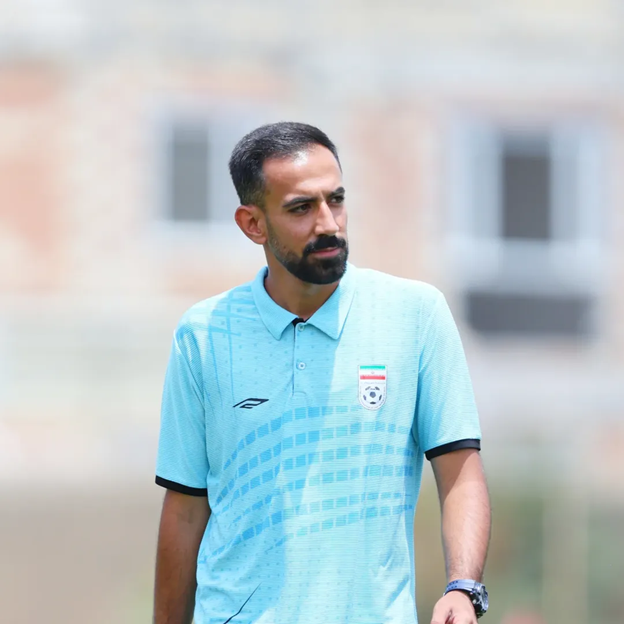
Iman Behdari
Pedram Khalouei, a youth player of Sepahan Novin, was only 15 years old. He was shot in the heart in front of his father while they were attending a protest together in Isfahan province. He was scheduled to take part in the Sepahan Academy selection tests three weeks later for a place in the club’s youth team.
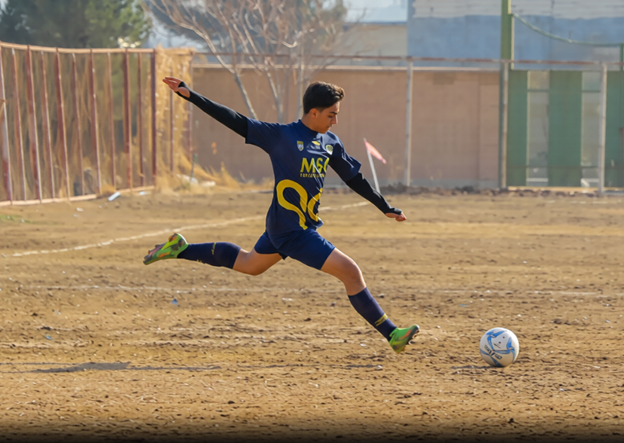
Pedram Khalouei
Twenty-one-year-old Mohammad Amin Abdi, who played for Messina in the Iran Premier Beach Soccer League, was shot and killed in the Emamat area of Mashhad in the Khorasan Province during protests. Abdi was a bachelor student in physical education in Khorasan Province.
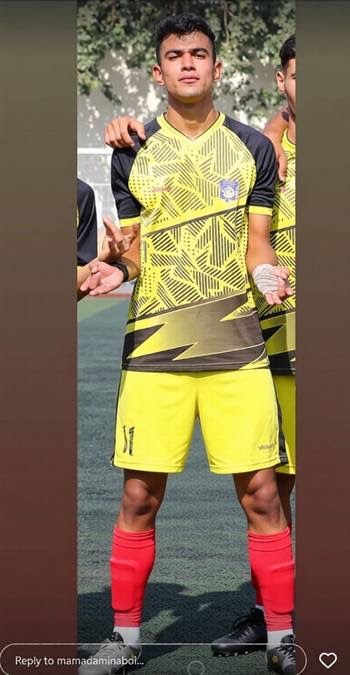
Mohammad Amin Abdi
That night in Ilam, 49-year-old football veteran Saeed Safari was beaten and shot by Islamic Republic forces during the protests. He died a few days later, after falling into a coma. Known as “The German Boy” for his admired playing style, he joined the demonstrations with friends who were chanting peacefully when a plainclothes agent attacked one of them with a machete. Safari ran to help but was shot in the chest with a pellet gun from close range and then beaten with batons despite having recently undergone open heart surgery. He remained in a coma for five days and died on 14 January. His burial in Salehabad cemetery took place under heavy security presence, and although officials later offered his family money to claim he was killed by what the government calls rioters, the family refused.
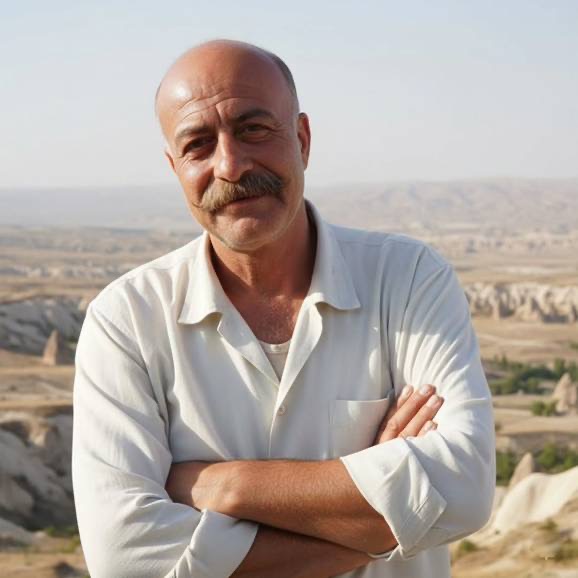
Saeed Safari
On the same night, in the city of Rasht in Gilan Province, Mohammad Hajipour, a 40-year-old former goalkeeper of Iran’s national beach soccer team, was shot dead during public protests in the Rasht bazaar. Security forces returned his body to the family only on the condition that the obituary state he had died in a car accident. Hajipour had renewed his contract with Iranian first division beach soccer club Shahin Khakbajar last summer.
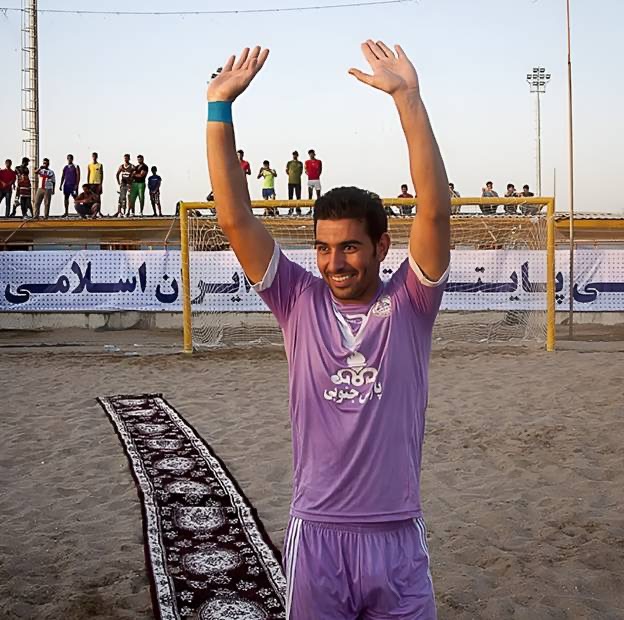
Mohammad Hajipour
Also killed on the night of 9 January, 18-year-old Amir Mohammad Lotfi, a student who captained the Akam Parvaz Paytakht youth football team, was killed by direct gunshot in Islamshar, Tehran.
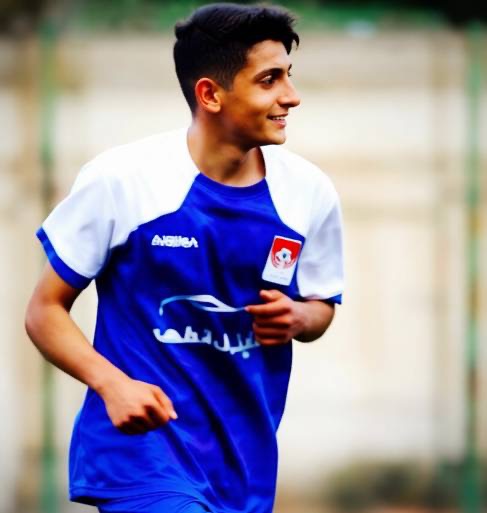
Amir Mohammad Lotfi
Mehdi Ghadimi, 26-year-old from Freidoun Kenar in Mazandaran Province, was shot in the heart with live ammunition, images captured by CCTV. The video, which also showed one of his shoes filled with blood at the scene, later went viral. His teammates, who had joined the protest alongside him, refused to leave him after he was shot. Despite the severe danger they all faced, they lifted him and tried to carry him to a hospital. He passed away on the way due to the extent of his injuries.
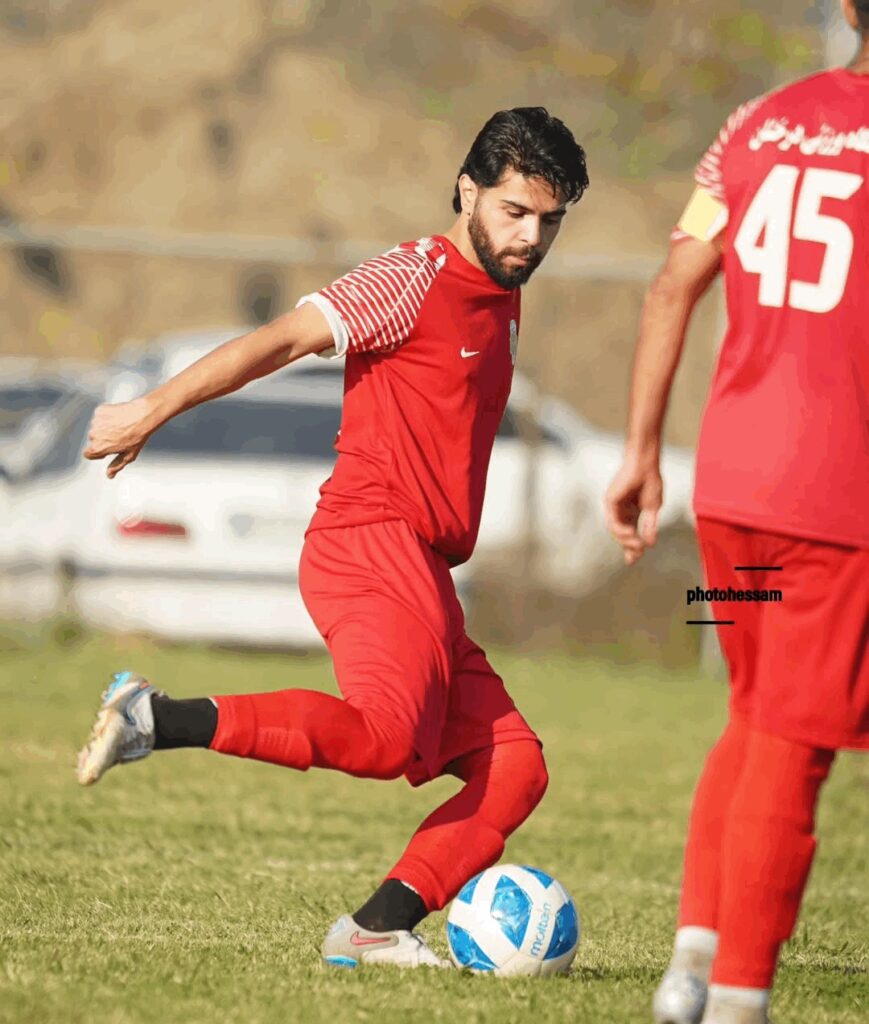
Davood Abi, 27-year-old and a player of Pars Ojan Alborz F.C, was killed after security forces fired live ammunition that struck him in the abdomen in the Karaj city. Witnesses reported that he was alive when taken to Alborz Hospital, but he died from severe blood loss amid intentional delays and a lack of timely medical care. Following his death, security forces reportedly pressured his family to remain silent about his death.
Backlash
Inside the country, several prominent figures reacted to the mass killing of Iranian footballers. Two women internationals, Zahra Alizadeh of Gol Gohar Sirjan Women’s Football Club and Kousar Kamali of Sepahan FC, resigned from the national team. They refused to play under the flag of the Islamic Republic, but were forced to take their statements down from social media.
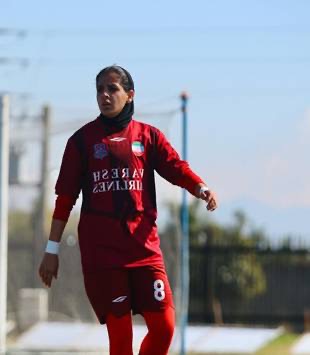
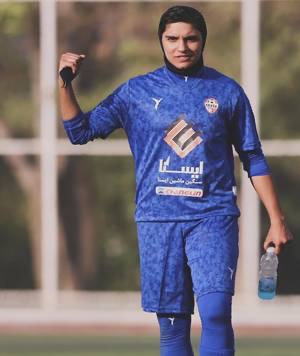
Zahra Alizadeh (l.) and Kousar Kamali (r.) resigned from the national team in solidarity with the protesters.
On February 12, Bam Khatoon FC did not celebrate their twelfth championship in the Iran Women’s Pro Football League. The entire team stood in complete silence and only the captain lifted the trophy without showing any emotion. Their team video became a widely recognised act of mourning and a quiet form of resistance.
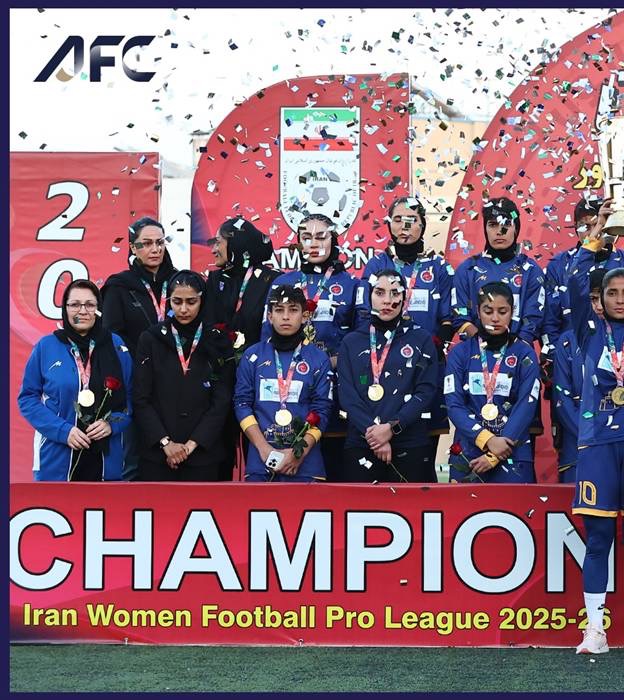
Bam Khatoon, winners of the 2025-26 Iran Women Football Pro League championship
Supporting Iranian protesters has carried severe consequences. On 25 January 2026, the Intelligence Organisation of the Islamic Revolutionary Guards Corps (IRGC) arrested Rouzbeh Sinki, the former Gol Gohar Sirjan and Pars Jonoubi Jam goalkeeper . He was among the athletes who had been standing with the protesters during the ‘Woman, Life, Freedom’ uprising. He was released after a week in detention and was forced to delete his social media account while being held.
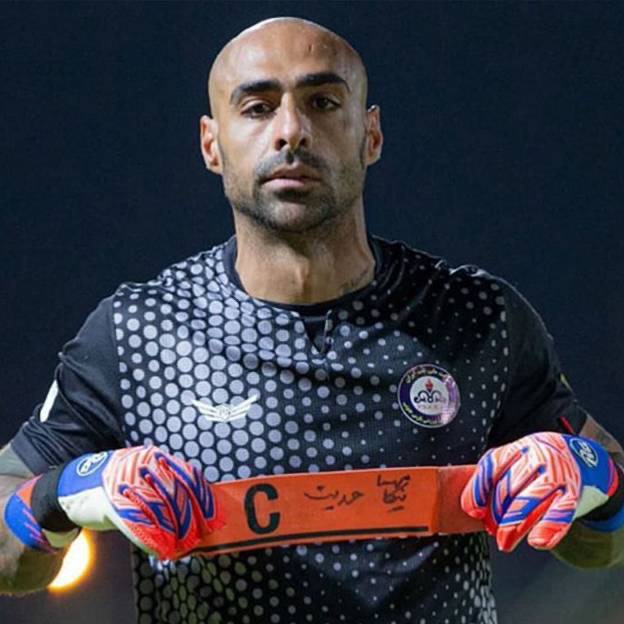
Rouzbeh Sinaki wrote the name of the girls killed in the ‘Women Life Freedom’ uprising on his armband.
Islamic Republic authorities also moved against former national team right-back Voria Ghafouri by freezing his bank accounts and seizing his assets after he publicly condemned the killing of protesters. Local media also reported that his café in Tehran was shut down as part of a broader crackdown targeting public figures accused of supporting recent demonstrations.
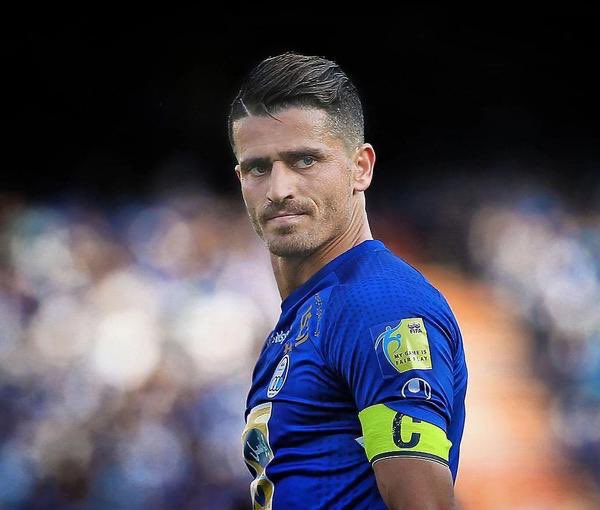
Voria Ghafouri
Outside Iran, exiled athletes have also taken coordinated steps to confront the escalating violence. Former national team players, coaches, referees and sports journalists living abroad issued a series of collective open letters to Fifa and the presidents of more than two hundred national football associations. In these letters, they called for the international football community to condemn the killings, arrests and intimidation of Iranian athletes and urged Fifa to suspend Iran from all competitions.
Led by Ali Karimi, they wrote: “Football, as the most influential social phenomenon in the world, cannot and must not remain silent in the face of executions, killings, arbitrary arrests, and threats against athletes.”
The letter added: “Silence in the face of these crimes amounts to abandoning the very principles that global football claims to defend.”
Fifa’s silence
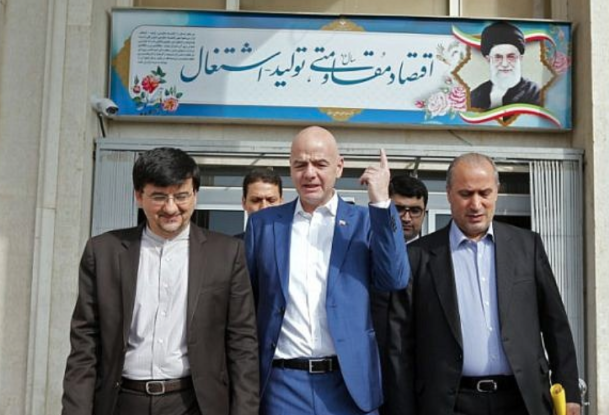
Fifa president Gianni Infantino (c.) in Tehran, 2018, flanked by FFIRI president Mehdi Taj (r.)
Fifa’s continued silence has drawn mounting criticism as the crisis facing Iranian footballers grows more severe. Despite verified reports documenting the killing of players, the arrest and intimidation of others, and at least three footballers now facing imminent execution – including 19‑year‑old Amirhassan Ghaderzadeh of Sepahan FC, 18‑year‑old Mohammad Afchangi of Sparou FC and former Sepahan player and 26‑year‑old coach Mohammad Hossein Hosseini – Fifa has not issued a single public statement or taken any visible action. Fifa president Gianni Infantino has not commented on Iranian football matters since congratulating FFIRI president Mehdi Taj when he was re-elected to his position in March 2025, the month in which Iran secured qualification for the 2026 World Cup.
This silence stands in stark contrast to the detailed appeals submitted by former national players, coaches, referees and journalists urging the organisation to condemn the violence and suspend Iran from competition. With deaths and detentions already documented and further risks widely reported, Fifa’s refusal to respond amounts to an abdication of its responsibility to safeguard footballers. Article three of the Fifa Statutes states that the global governing body “is committed to respecting all internationally recognised human rights and shall strive to promote the protection of these rights.”
In the face of killings, arrests and imminent executions, Fifa’s silence can no longer be justified by the obligation of “neutrality”. It is tantamount to passive complicity. World football’s most powerful institution has left Iranian players to stand alone against a state that punishes them in private while its officials pose for handshakes on the world stage.
Born and raised in Iran, Zohreh Abdollahkhani is an ice climber and academic. A graduate in global sport management from Seoul National University, she then obtained a PHD from the University of South Eastern Norway. Her thesis analysed the International Olympic Committee’s policy documents on human rights, safeguarding, and gender equality.
A former member of Iran’s Ice Climbing National Team, she won bronze at the 2014 Asian Championships, the country’s first-ever medal in the discipline. She also served as a climbing referee at the 2018 Asian Games.